The Erofel Team
WordPress is a good starting point for many businesses. But as a site grows, the pile of plugins, slowness, security warnings and pages that break on updates start to become a burden. So when is it time to move to a modern platform?
Signs it's time to migrate
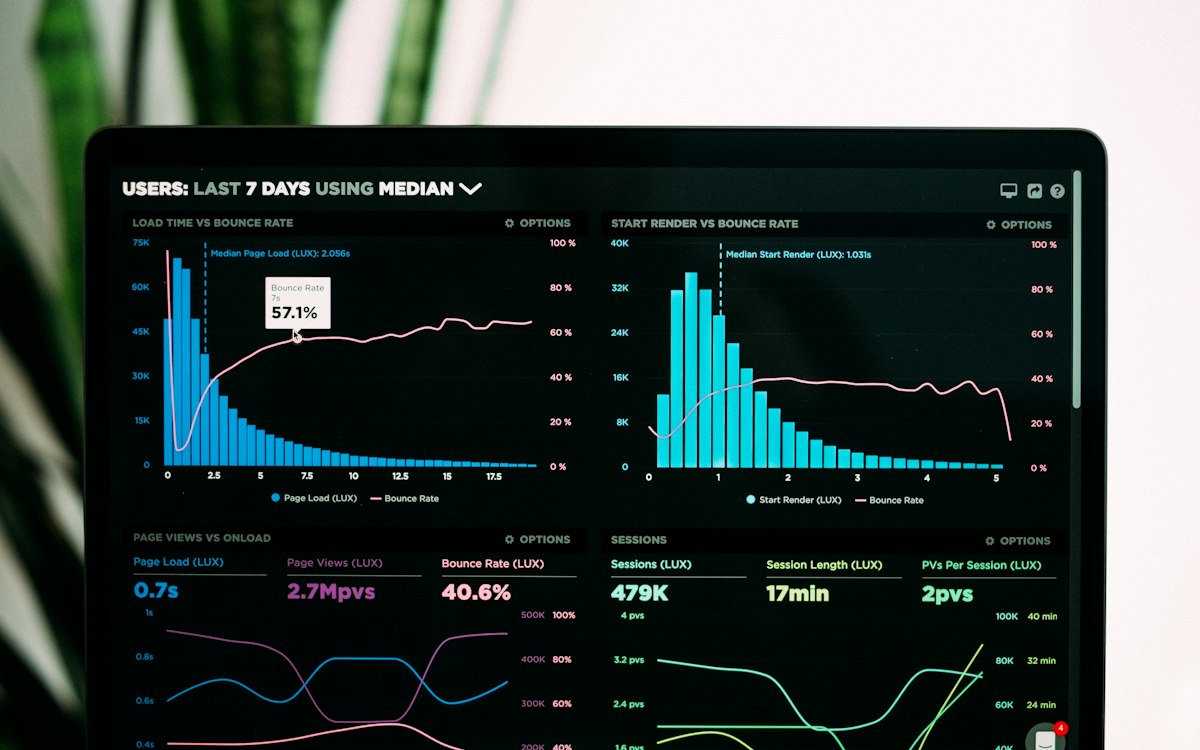
- The site is noticeably slow on mobile and its Core Web Vitals scores are low.
- Every update breaks something; maintenance cost keeps rising.
- Security holes and plugin-dependency risk keep growing.
- The content team depends on a developer even for simple changes.
What does a modern platform bring?
Modern architectures based on server-side rendering and static generation deliver far faster pages, a smaller security surface and a more predictable maintenance process. Content management stays easy with visual editors, without sacrificing performance.
But what happens to my existing SEO?
This is the concern we hear most often. In a properly executed migration, URL structure, titles, meta descriptions and redirects (301) are preserved; your search ranking isn't harmed. At Erofel we built a migration process that does exactly this: content, menus and product catalog are moved one-to-one along with all their SEO metadata.
The goal isn't to start from scratch; it's to keep what works and remove the burden.
How is a migration planned?
- Inventory: Existing pages, URLs and SEO metadata are catalogued.
- Migration: Content and structure are moved with a redirect map.
- Validation: The new site is compared one-to-one with the old addresses.
- Launch: A seamless switch and post-launch monitoring.
When should you NOT migrate?
Not every site needs to move. If your site is fast, updates don't break things and your content team can work comfortably, migrating just to "be modern" is an unnecessary cost. Migration makes sense when performance, security or maintenance genuinely start to become a burden. Base the decision on measurable problems, not emotion.
How long does it take and what does it cost?
For a small-to-mid corporate site, a typical migration usually takes 2–5 weeks depending on scope; content volume, integrations and custom features drive the timeline. The way to make cost predictable is to produce a clear inventory first: how many pages, which URLs, which forms and integrations move over? With a good plan there are no surprises — we provide a fixed quote after discovery.
If you'd like to talk about your site's future, take a look at our Web Software service, browse our projects for examples, or write to us for a free discovery call.